Pakistan Rejects Trump's Abraham Accords Demand
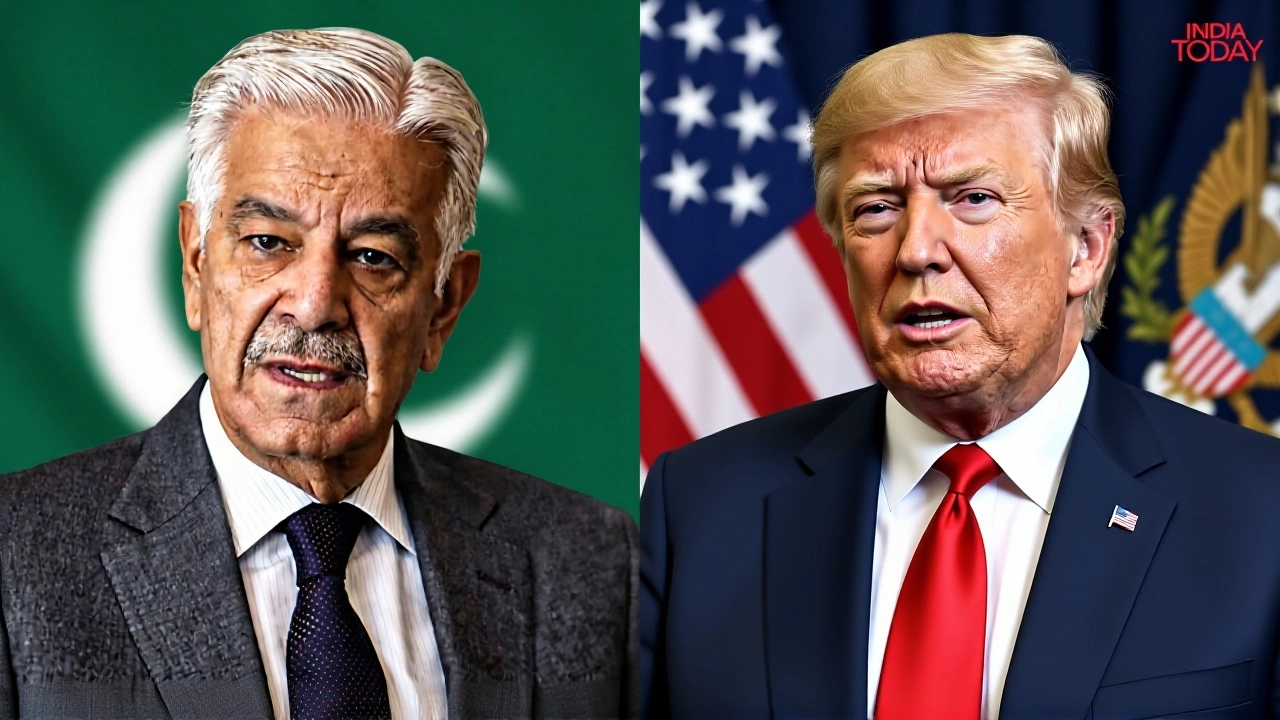
When Donald Trump, the former U.S. President and current political heavyweight, reportedly demanded that Muslim-majority nations sign the Abraham Accords, Pakistan didn't just hesitate—it slammed the door shut. The Islamabad-based government, led by Prime Minister Shahbaz Sharif, issued a stark refusal this week, calling the demand incompatible with the nation’s core ideology.
The twist? This rejection comes right after Trump claimed he intervened to stop further U.S. airstrikes on Iran at Pakistan’s request. It’s a diplomatic tightrope walk: trying to maintain relevance in Washington while refusing to betray long-standing regional alliances.
A Clash of Ideologies
Here’s the thing: the Abraham Accords were designed to normalize relations between Israel and several Arab states. For Pakistan, which has historically championed the Palestinian cause, joining isn’t just a policy shift—it’s viewed as an ideological betrayal.
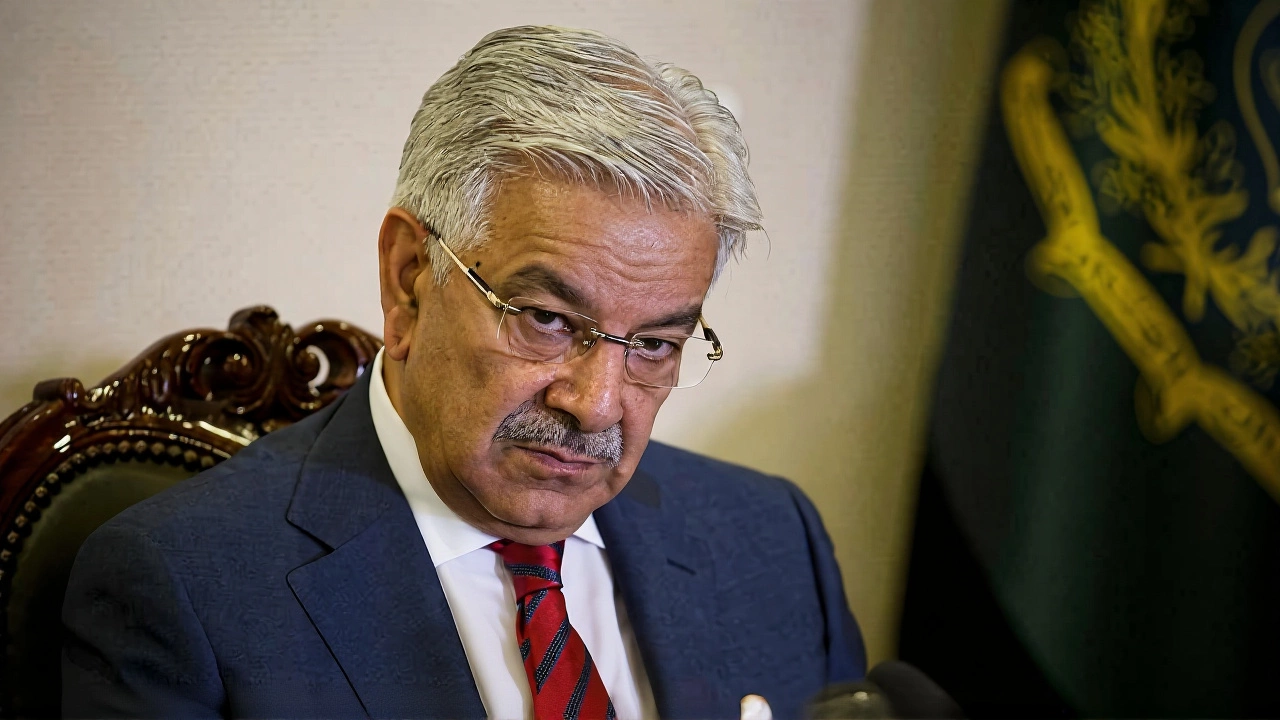
Khawaja Asif, Defence Minister of Pakistan, made no bones about it during a recent interview. "Personally, I don’t think we should join any agreement that goes against our ideology," he stated firmly. He reiterated that Islamabad will not recognize Israel until an independent Palestinian state is established based on 1967 borders, with East Jerusalem as its capital.
This isn’t just rhetoric. It’s a hard line drawn in the sand. By rejecting the accords, Pakistan is signaling to its domestic audience—and the broader Muslim world—that it hasn’t abandoned its foundational principles, even under immense external pressure.
The "Favor" That Changed Everything
But wait—why did Trump bring this up now? According to reports from ABP News, Trump recently framed his decision to halt military escalation against Iran as a personal "favor" to Pakistan. He claimed that Field Marshal Asim Munir, Pakistan’s Army Chief, and Prime Minister Shahbaz Sharif had personally appealed to him.
Trump’s wording was characteristically blunt: "I don’t believe in doing favors... but Pakistan asked me, so I did this favor." He insisted that Tehran must abandon uranium enrichment and that Iran would never be allowed nuclear weapons. The implication? If you want protection or mediation, you play ball on other fronts.
Turns out, that “ball” includes signing onto agreements that many in Pakistan see as pro-Israeli bias. The conditionality has sparked intense debate online and in parliament. Is this diplomacy? Or coercion?
Geopolitical Chessboard
The timing couldn’t be more precarious. After 40 days of heightened tension between the U.S. and Iran, a fragile ceasefire held—partly due to pressure from Muslim-majority nations during the Hajj season. News18 reported that Saudi Arabia and the UAE sent sharp diplomatic messages urging restraint, fearing a wider conflict during the holy pilgrimage.
In this vacuum, Pakistan tried to position itself as a mediator. General Asim Munir reportedly traveled to Tehran on a secret mission to facilitate dialogue. But playing peacemaker doesn’t come free. Experts suggest Pakistan is operating under "diplomatic compulsion," trying to salvage its declining credibility on the global stage.
ABP News analysts noted that Islamabad is caught between two fires: maintaining ties with the West while preserving its identity in the Islamic world. One misstep could isolate them completely.
What Happens Next?
So, where does this leave us? The Abraham Accords demand remains unmet. Trump’s leverage appears strong, but Pakistan’s resistance is equally firm. With no immediate signs of compromise, the region braces for continued uncertainty.
Watch for three things: First, whether other Muslim nations follow Pakistan’s lead in rejecting the accords. Second, if Trump escalates rhetoric again, potentially reigniting tensions with Iran. And third, how domestic politics in Pakistan react to what some call a "religious dilemma" forced by foreign powers.
The details are still unfolding, but one thing is clear: geopolitics rarely offers easy wins. Sometimes, saying no is the only move left.
Frequently Asked Questions
Why did Pakistan reject the Abraham Accords?
Pakistan rejected the accords because they normalize relations with Israel without resolving the Palestinian issue. Defence Minister Khawaja Asif stated it contradicts Pakistan’s core ideology and historical stance supporting Palestine.
Did Donald Trump really intervene to stop attacks on Iran?
According to reports, Trump claimed he halted further U.S. strikes on Iran after receiving requests from Pakistani leaders, including PM Shahbaz Sharif and Army Chief Asim Munir. He called it a 'favor' but emphasized Iran must give up nuclear ambitions.
What are the 1967 borders mentioned by Khawaja Asif?
The 1967 borders refer to the lines before the Six-Day War, widely recognized internationally as the basis for a future Palestinian state. Pakistan insists these borders, with East Jerusalem as capital, are non-negotiable conditions for recognizing Israel.
How does this affect Pakistan-U.S. relations?
Relations face strain as Trump links security cooperation to political concessions. While Pakistan seeks strategic relevance, its refusal risks alienating Washington. However, domestically, compliance could spark massive backlash, forcing the government to prioritize internal stability.
Is Pakistan acting alone in this stance?
Not entirely. Several Muslim-majority nations, including Saudi Arabia and the UAE, have also resisted full normalization without progress on Palestine. However, Pakistan’s vocal rejection sets a distinct tone, aligning closely with grassroots Islamic sentiment across South Asia.