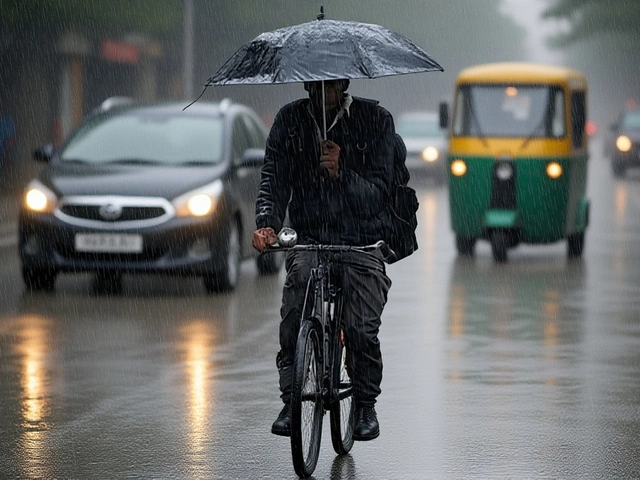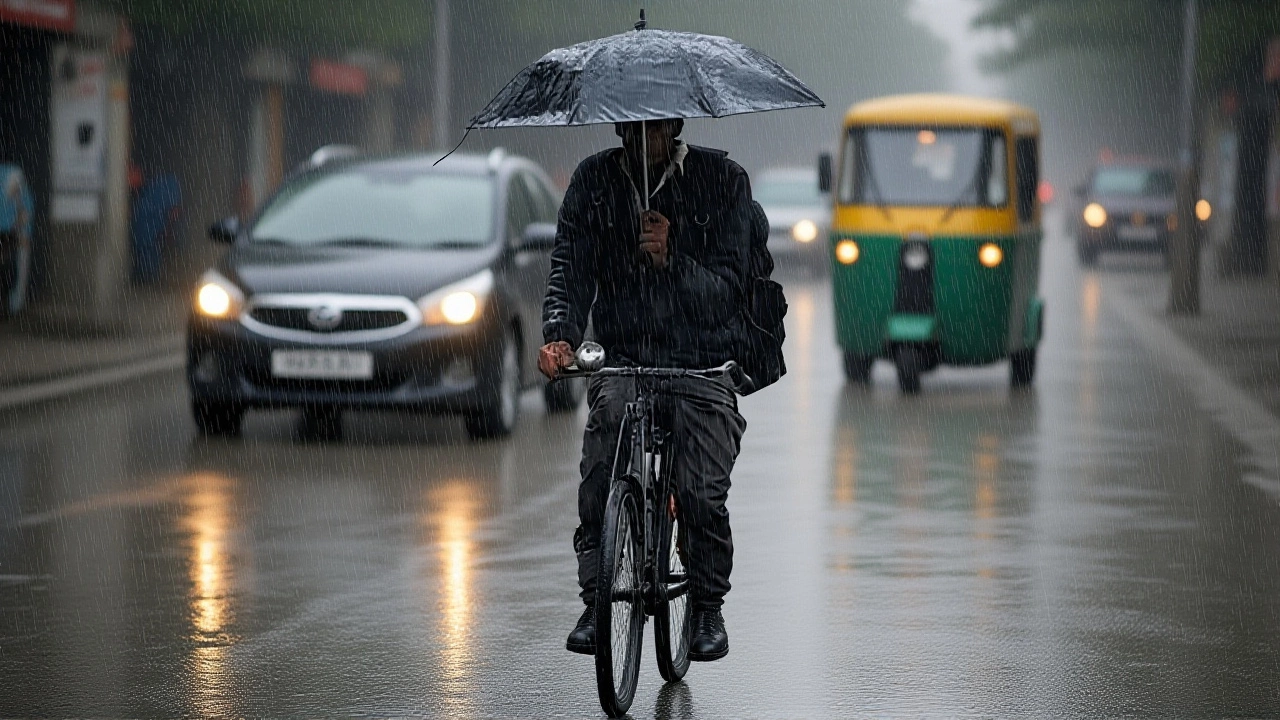
Chittorgarh Weather U-Turn: Heavy Rain Breaks Heatwave
After days of suffocating heat that pushed temperatures above 40°C, the residents of Chittorgarh, Rajasthan, India finally got a breather. Late last night, the sky opened up with torrential rain and strong winds, marking what locals are calling a dramatic "weather U-turn." The sudden shift didn't just cool things down; it brought chaos to power grids and triggered official warnings across the region.
The change wasn't gradual. It hit hard. In just one night, the city recorded 38.5 mm of rainfall. That’s not a drizzle—that’s a deluge for a place accustomed to dry, dusty summers. More importantly, the minimum temperature dropped by a sharp 4.4°C. For people who had been sweating through nights where the air felt like an oven, that drop was nothing short of miraculous.
The Storm Hits Hard
Here’s the thing about monsoon-like conditions in Rajasthan: they don’t knock before they enter. Reports from local outlets like First India News describe a scene straight out of a thriller movie. Dark clouds blanketed the city late Friday evening. Then came the wind—gusts hitting speeds between 30 to 40 km/h—followed immediately by heavy rain that lasted well into Saturday morning.
But wait, it wasn’t just rain. Some areas reported hailstorms alongside the downpour. Imagine ice pellets mixed with thunderous claps of lightning. It created a chilling effect, literally. People described feeling a "return of winter" as the humid heat was replaced by a cold, wet chill. However, this relief came at a cost. Several neighborhoods experienced power outages as the electrical network struggled under the strain of the storm. No exact numbers on affected households were released, but social media feeds were flooded with complaints about flickering lights and complete blackouts.
Orange Alert: Why Authorities Are Worried
The meteorological department didn’t take chances. An orange alert was issued for Chittorgarh and surrounding districts, including Udaipur, Bhilwara, Sawai Madhopur, Dungarpur, Banswara, and Dhanwad. This isn’t your standard yellow caution. An orange alert means hazardous weather is likely or occurring, requiring heightened vigilance.
Why the high alert? Because the pattern is unpredictable. While the rain provided immediate relief from the scorching sun, it also increased humidity levels significantly. Post-rain, the air became thick and muggy. Experts warn that while the peak heat has broken, the combination of residual warmth and high moisture can make the environment feel oppressive again. Plus, the risk of localized flooding and further wind damage remains high for the next 24-48 hours.
A Regional Phenomenon
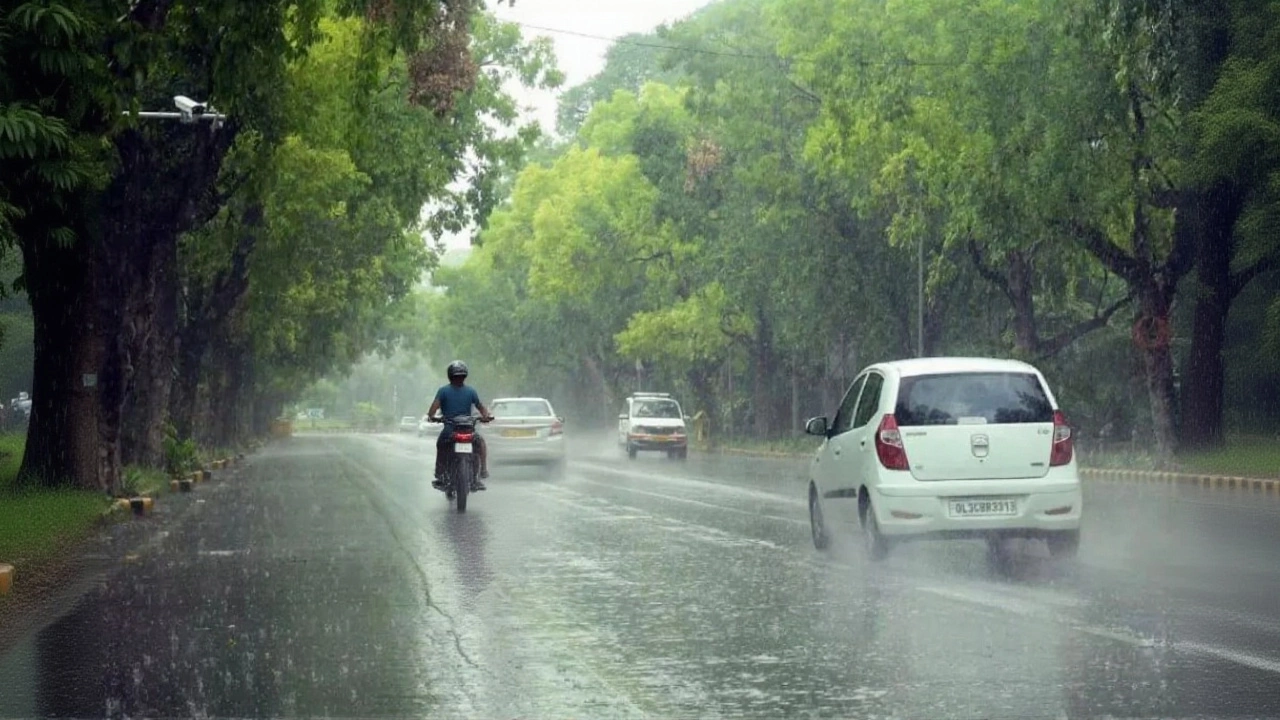
This wasn’t isolated to Chittorgarh. The same weather system swept across southern Rajasthan. Jaipur, the state capital, saw similar late-night rains and hail. Even distant cities like Bikaner and Jodhpur reported unusual weather activity. It seems a low-pressure system moving over the Aravalli range triggered this widespread disturbance.
Data from weather services like AccuWeather showed temperatures hovering around 93°F (34°C) before the storm, with poor air quality indices warning sensitive groups to stay indoors. The sudden drop in temperature and rise in humidity has left many wondering if this is the early onset of the monsoon or just a pre-monsoon tantrum. Historically, Rajasthan sees such erratic shifts in June, but the intensity this time has been notable.

What’s Next for Residents?
If you’re in Chittorgarh or nearby, keep your umbrella handy—but also check your circuit breakers. The infrastructure here isn’t always built for such sudden, violent weather events. Local authorities have advised residents to avoid unnecessary travel and secure loose objects that could be blown away by gusts.
Looking ahead, forecasts suggest more instability. While the immediate heatwave threat has subsided, the next few days will see continued showers and potential thunderstorms. The key question is whether this brings lasting relief or just a temporary pause in the summer’s fury. Only time—and the next weather report—will tell.
Frequently Asked Questions
How much rain did Chittorgarh receive?
Chittorgarh recorded approximately 38.5 millimeters of rainfall during the late-night storm. This amount is significant for the region, which typically experiences dry conditions during this period, leading to a noticeable drop in temperature and providing relief from the preceding heatwave.
What does the orange alert mean for residents?
An orange alert indicates that hazardous weather conditions are likely or currently occurring. For Chittorgarh and surrounding districts, this means residents should expect heavy rain, strong winds (30-40 km/h), and potential hail. It advises heightened vigilance, securing property, and avoiding unnecessary outdoor activities due to risks like flooding and power outages.
Did the rain cause any disruptions?
Yes, several areas in Chittorgarh experienced power outages as the electrical grid was strained by the intense storm. Social media reports indicated widespread issues with electricity supply, though specific numbers of affected households were not officially released. Travel may also be disrupted due to waterlogging and reduced visibility.
Is this the start of the monsoon season?
While the weather patterns resemble monsoon conditions with dark clouds and heavy rain, officials have not declared the official arrival of the monsoon. These events are often pre-monsoon disturbances common in June in Rajasthan. However, the sustained rainfall and humidity increase suggest the region is transitioning towards the wetter season.
Which other areas in Rajasthan were affected?
The weather system impacted a wide area of southern and central Rajasthan. Besides Chittorgarh, districts like Udaipur, Bhilwara, Sawai Madhopur, Dungarpur, Banswara, and Dhanwad received orange alerts. Major cities including Jaipur and Bikaner also reported unusual weather activity, including rain and hail, indicating a regional meteorological event.