India Edges England by 7 Runs in T20 World Cup Semi-Final Thriller
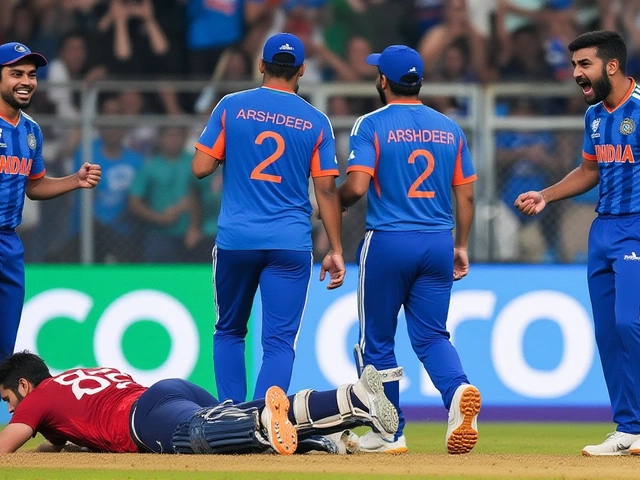
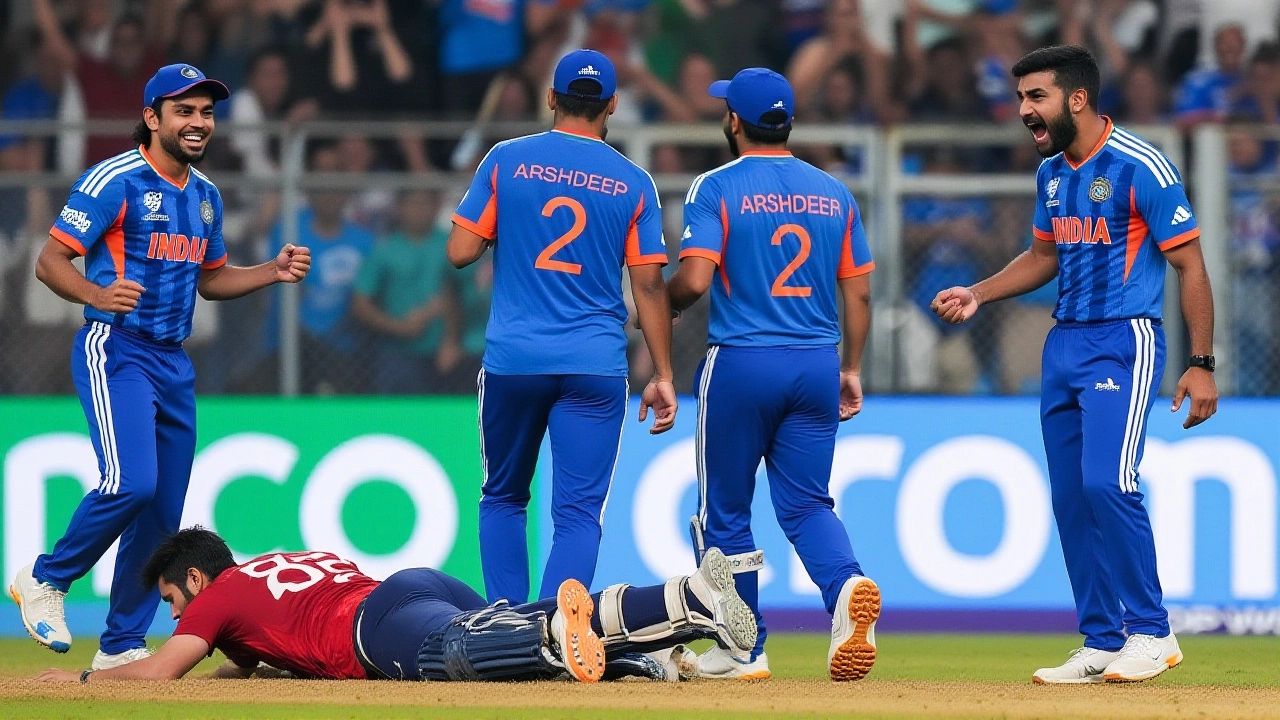
When Sanju Samson, batsman for Team India, walked off the field after scoring a gritty 89 runs, the air at Mumbai’s iconic stadium was thick with tension. But it wasn’t over yet. In a match that will go down as one of the highest-scoring encounters in tournament history, India held its nerve to defeat England by just 7 runs in the second semi-final of the T20 World Cup 2026Wankhede Stadium, Mumbai.
The twist? England, led by a stunning century from Jacob Bethell, had seemingly taken control. They chased down a massive target with aggressive intent, leaving fans holding their breath until the final ball. Turns out, cricket doesn't always follow logic—it follows drama.
A Record-Breaking Chase Falls Just Short
Here’s the thing about high-stakes cricket: when both teams decide to play hardball, records get broken. This semi-final saw a combined total of 499 runs—making it the highest-scoring match in T20 World Cup history. That’s nearly 500 runs in just 40 overs. You don’t see numbers like that every day.
India batted first and posted 253 for 7 in their 20 overs. It looked like a formidable total on paper, but anyone who has watched modern T20 cricket knows these scores are increasingly common. The real test came when England stepped up to bat. They needed 254 to win—a daunting number, yet entirely achievable against an Indian bowling attack that showed glimpses of vulnerability.
Bethell was the difference-maker. His 105-run innings kept England firmly in the hunt, turning what could have been a comfortable chase into a nail-biting finish. By the time he fell, England were still within striking distance, needing roughly 15 runs from the last three overs. Pressure mounted. Legs shook. Hearts raced.
The Final Overs That Defined History
But wait—the last three overs told a different story. India’s bowlers suddenly found their rhythm. Fielders dived. Catches were taken under immense pressure. And while England fought valiantly, they fell short by a mere 7 runs, finishing on 246 for 7.
It wasn’t just about skill; it was about composure. Under such intense scrutiny, small mistakes become catastrophic. One missed catch here, one wayward delivery there—and suddenly, the narrative flips. For England, it was heartbreaking. For India, it was vindication.
“We gave everything,” said one anonymous English player afterward (details remain unclear). “To lose by seven runs after playing so well… it stings.”
Why This Match Matters Beyond the Scoreboard
This isn’t just another win-loss statistic. With five major records reportedly shattered during this encounter—including the aforementioned highest aggregate score—this game redefined expectations for future tournaments. Teams now know that even 250-plus totals can be defended if execution is flawless.
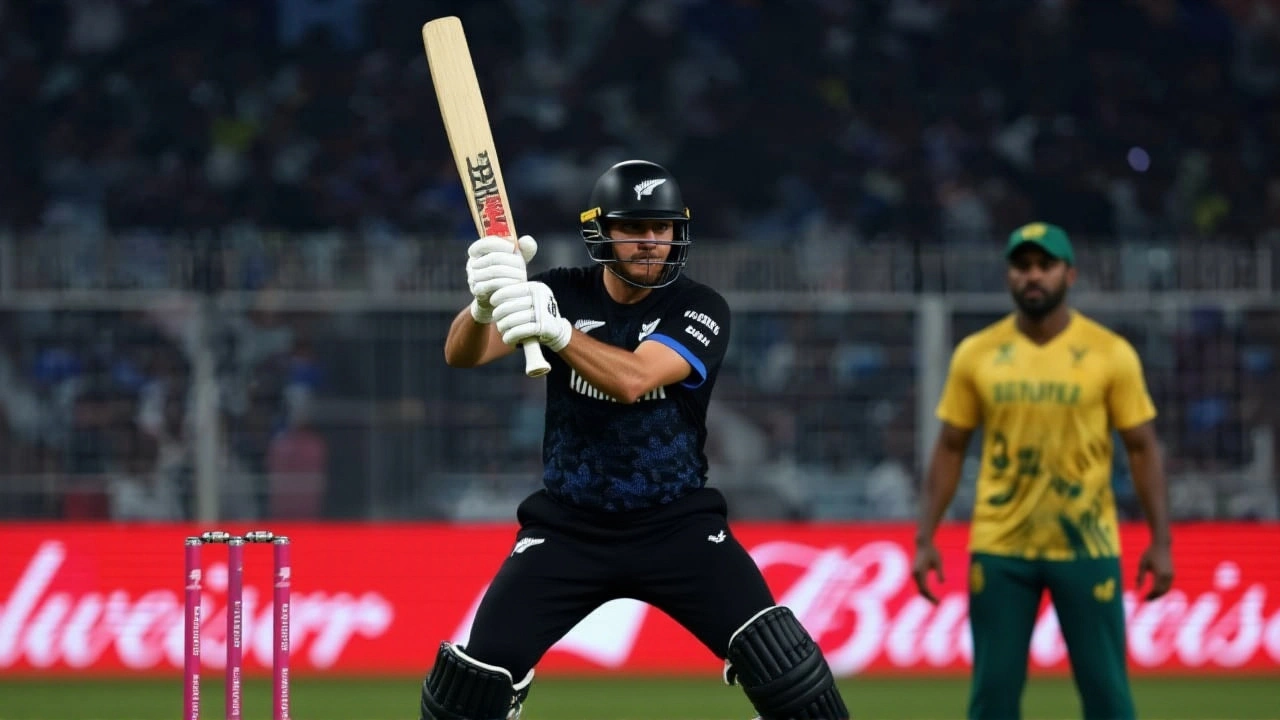
Moreover, India’s victory sets up a blockbuster final against New Zealand on March 8. A clash between two powerhouses, each boasting deep batting lineups and versatile all-rounders. Expect fireworks.
Interestingly, this result also highlights how crucial death-over bowling has become. Bowlers who can maintain accuracy and variation under extreme pressure hold the key to winning tight games. India’s success here may well influence training regimens worldwide.
What Lies Ahead for Team India?
Now comes the ultimate challenge: facing New Zealand in the final. Known for their tactical brilliance and mental toughness, the Kiwis pose a unique threat. Can India replicate their semi-final form? Will Samson continue his stellar campaign? These questions linger as preparations intensify.
Meanwhile, England must regroup quickly. Losing a semi-final hurts, especially when you’ve played so well. But setbacks often lead to breakthroughs. Who knows? Maybe next year brings redemption.
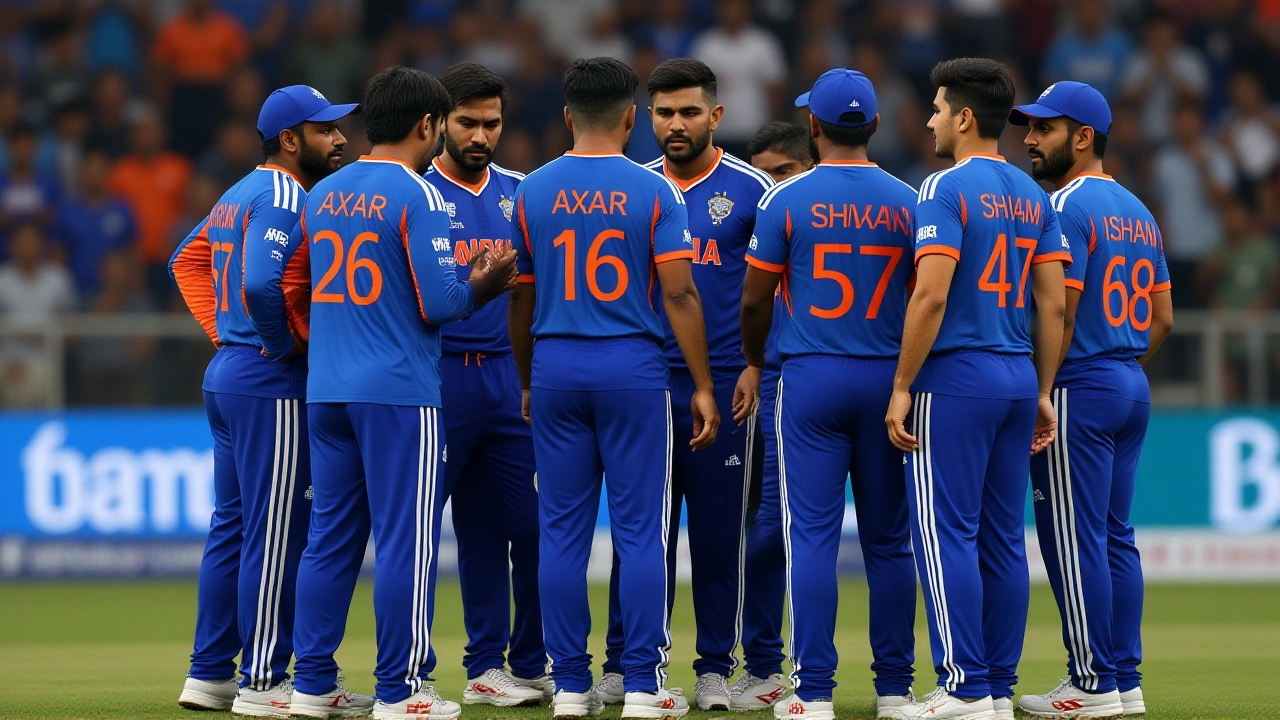
Historical Context & Fan Reaction
Mumbai’s Wankhede Stadium has witnessed countless historic moments, but few compare to this. Fans packed the stands, roaring louder with every boundary. Social media erupted post-match, with hashtags like #WorldCup2026 trending globally. Videos from outlets like FirstIndiaNews garnered thousands of views within hours, capturing the raw emotion of the moment.
Some analysts drew parallels to previous close finishes, noting similarities in pacing and intensity. Others emphasized the unprecedented nature of the scoring rate, suggesting we’re entering a new era of T20 cricket where boundaries come easier than ever before.
Frequently Asked Questions
Who scored the most runs in the India vs England semi-final?
Jacob Bethell top-scored for England with 105 runs, while Sanju Samson contributed significantly for India with 89 runs. Both performances were pivotal in shaping the outcome of the match.
What record was broken during this semi-final?
The match featured a combined total of 499 runs, making it the highest-scoring game in T20 World Cup history. Additionally, reports indicate five other significant records were surpassed during the contest.
When and where will the T20 World Cup 2026 final take place?
The final is scheduled for March 8, 2026, though specific venue details haven't been widely publicized yet. India will face New Zealand in what promises to be an epic showdown.
How did India manage to defend such a large total?
India’s bowlers executed perfectly in the crucial final three overs, maintaining discipline and taking key wickets. Strategic field placements and quick thinking under pressure proved decisive in securing the narrow victory.
What impact does this win have on India’s chances in the final?
Winning a high-pressure semi-final boosts team morale and confidence. However, facing New Zealand presents distinct challenges due to their experienced squad and adaptable strategies. Preparation will be critical.
Are there any notable statistics from this match besides the run tally?
Yes, both teams lost exactly seven wickets each, adding symmetry to the thrilling encounter. Also, the margin of victory—just 7 runs—mirrors the number of wickets fallen, creating an intriguing numerical coincidence.